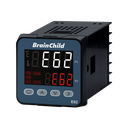
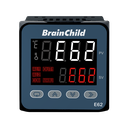
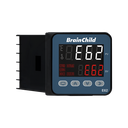
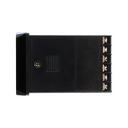

Essential Series | 48 x 48mm

E62
https://www.brainchildtw.com/web/image/product.template/10/image_1920?unique=062c7a5

PID Temperature controller

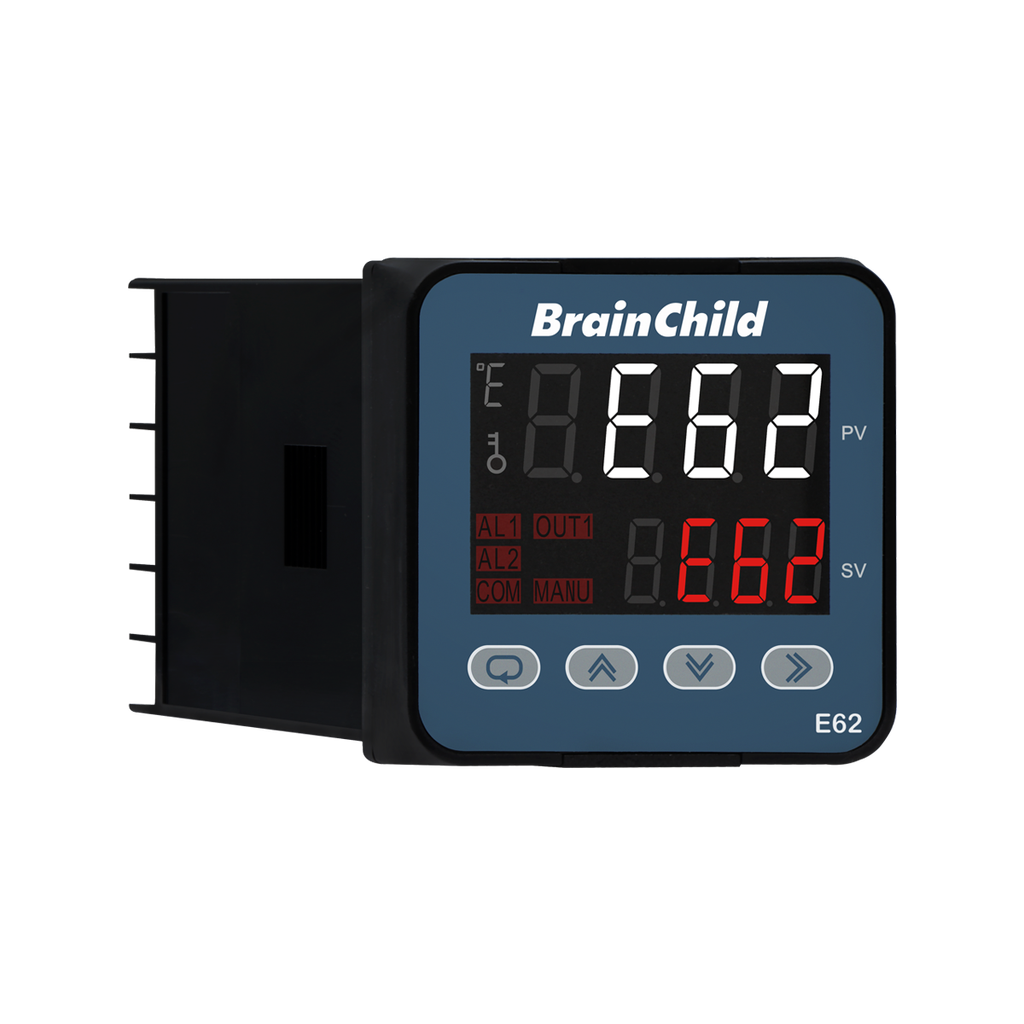
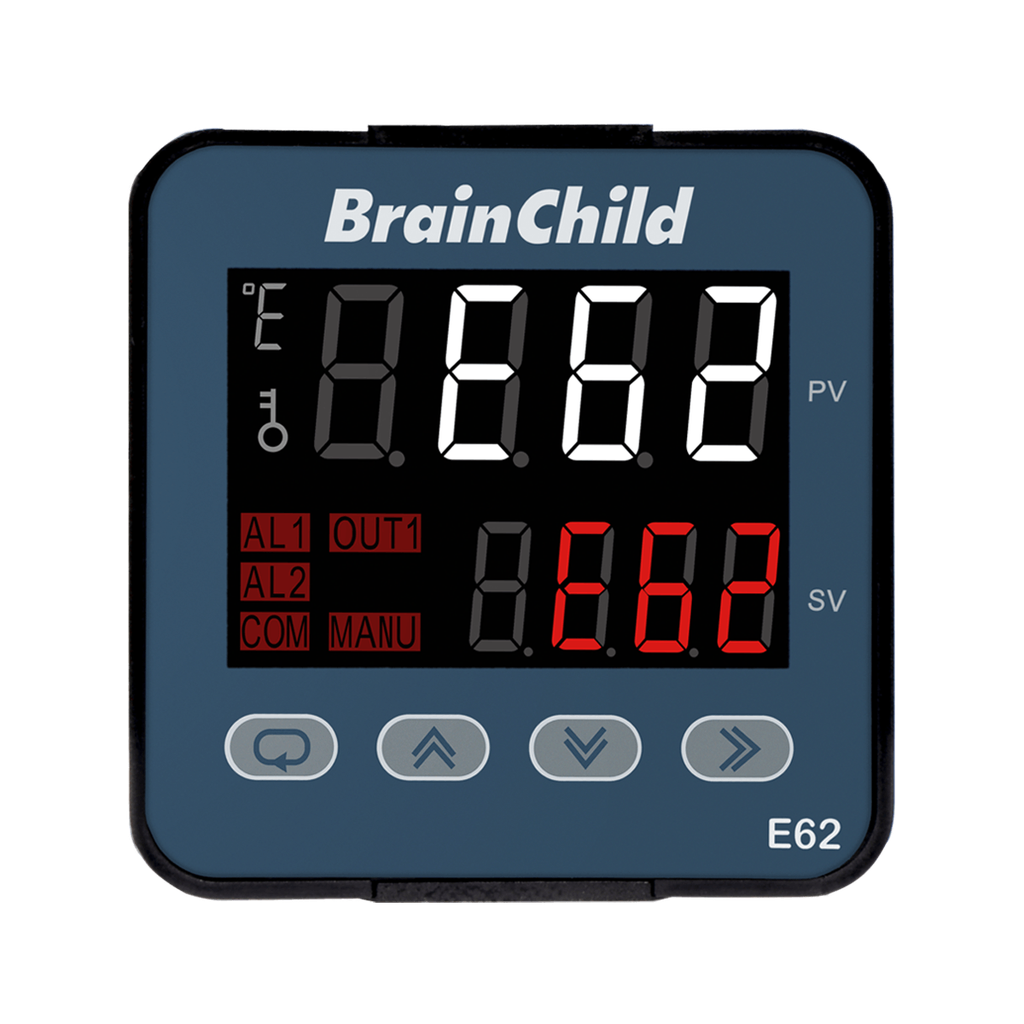
• High-brightness dual-color LCD display
• 200 ms fast sampling rate
• Advanced PID control with auto-tuning
• RS-485 Modbus RTU communication
• IP65-rated front panel (optional)

This combination does not exist.

Features

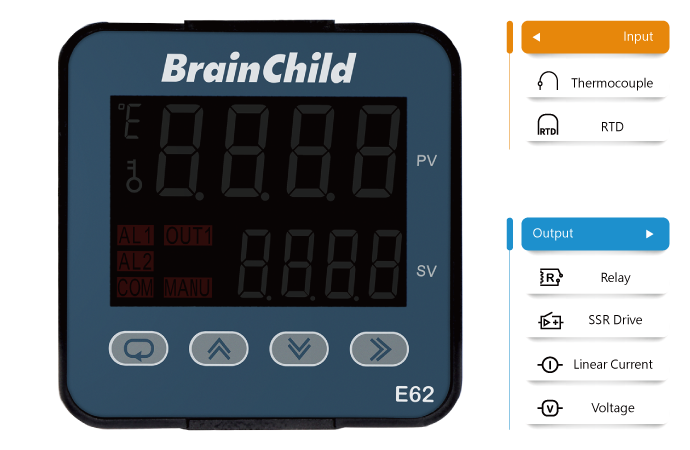
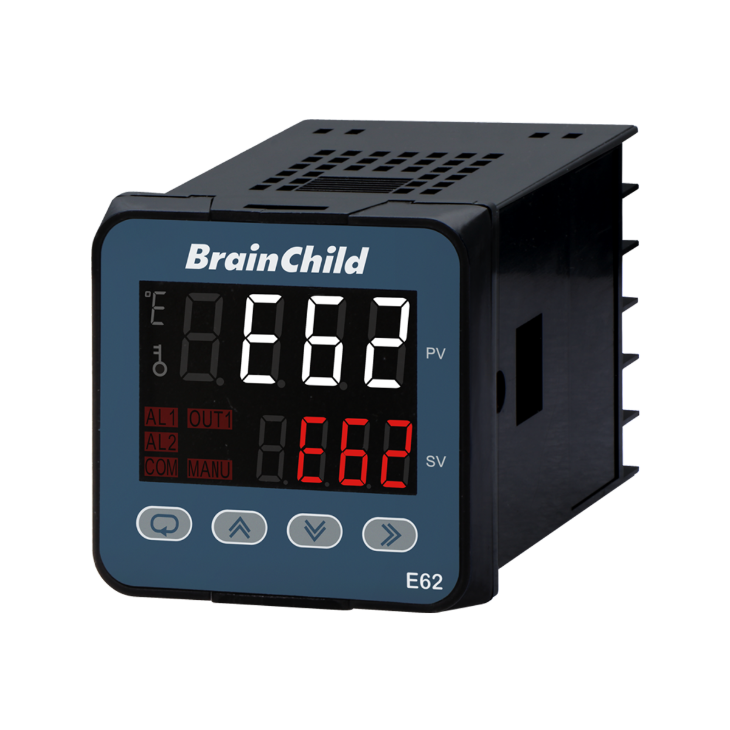
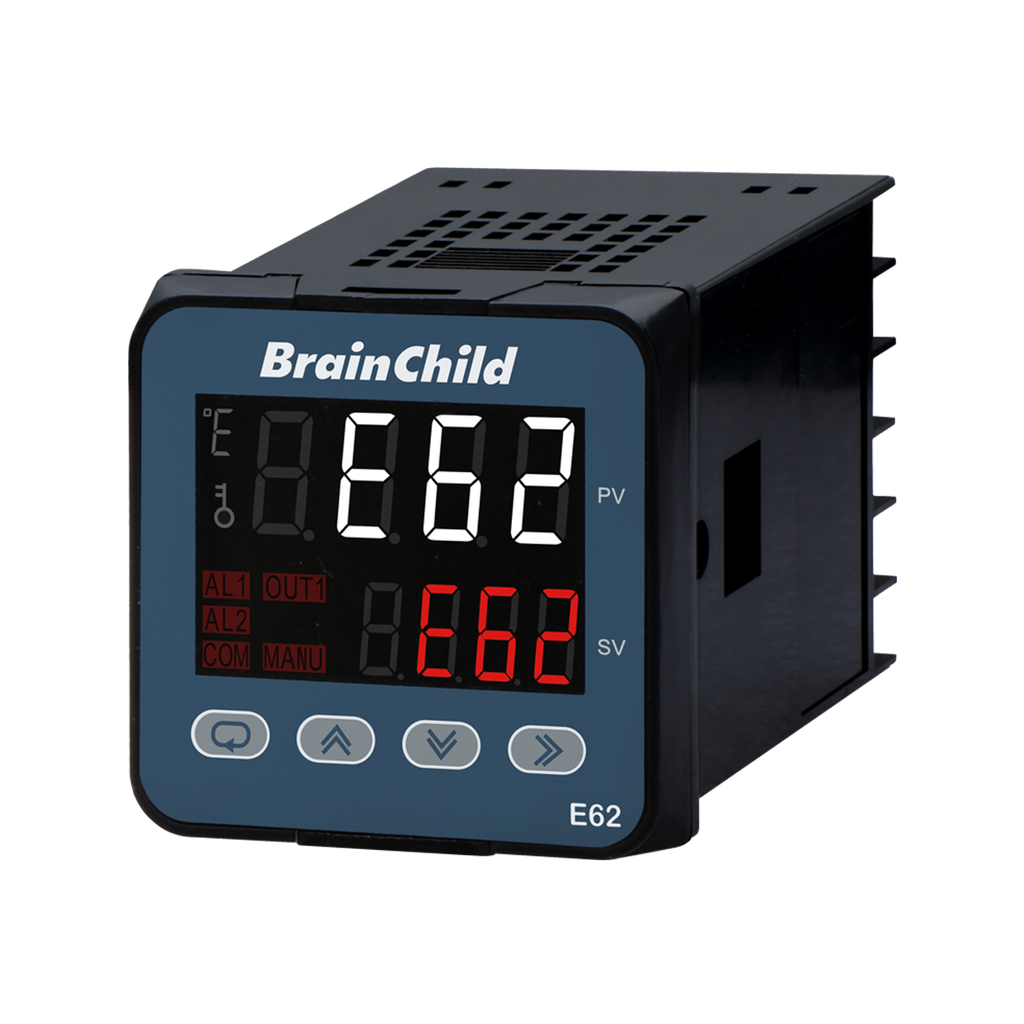
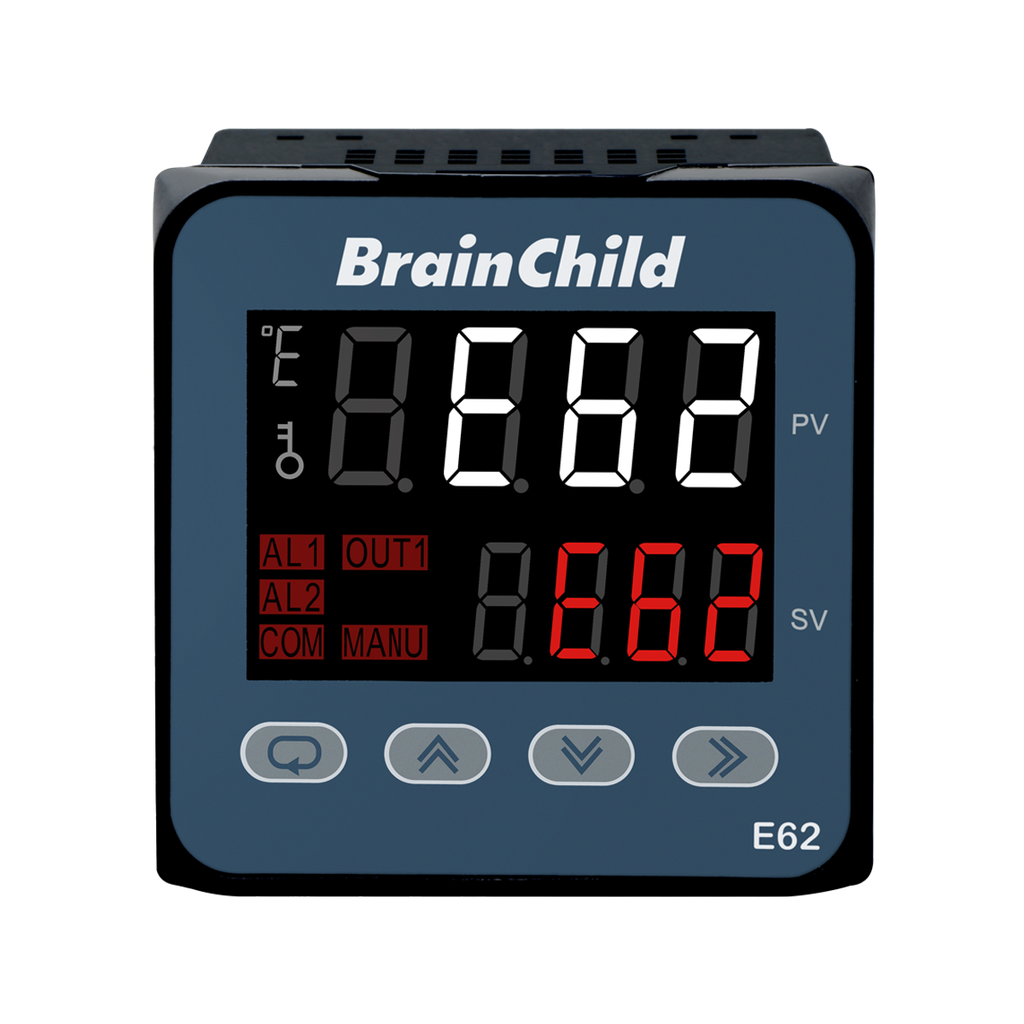
  • High-brightness dual LCD shows PV/SV and status
  • 4-key panel with bidirectional menu navigation
  • Auto-Tuning supports cold and warm startup modes
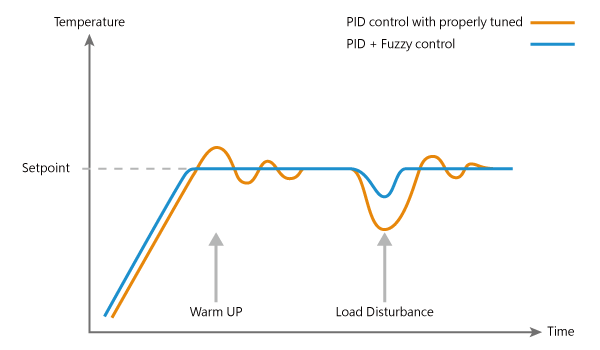
  • Fuzzy + PID control minimizes overshoot and drift
  • 18-bit A/D and 15-bit D/A ensure precise control
  • Fast 200ms sampling rate for rapid process response
  • Output: Relay, SSR, 4–20mA, or 0–10V selectable
  • Programmable output limits and cycle timing
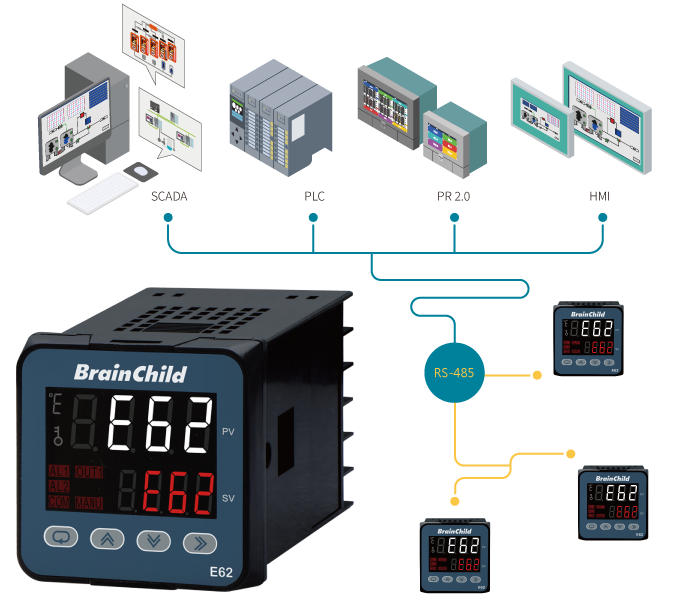
  • RS-485 Modbus RTU for multi-unit communication
  • Built-in digital filter stabilizes process readings
  • Six alarm types and four alarm operating modes
  • Parameter lock with four security levels
  • User-defined menu with up to 8 quick-access items
  • Supports TC (J/K/T/R/S) and RTD (PT100 DIN/JIS)
  • CE/RoHS certified, IP50 or optional IP65 panel

E62 PID Temperature Controller

Compact, Capable, and Cost-Effective—Precision Control Made Simple

The E62 is BrainChild’s compact PID controller designed for stable and responsive temperature control in industrial applications. It supports a wide range of TC and RTD inputs, flexible outputs (Relay, SSR, Voltage, Current), and optional RS-485 Modbus communication.

With built-in fuzzy logic, auto-tuning, alarms, and a high-brightness dual-line LCD, the E62 offers essential control performance in a user-friendly and cost-effective package—ideal for OEMs, panel builders, and system integrators.
User-Friendly Interface

Intuitive Navigation, Clear Operation—Control Made Easy

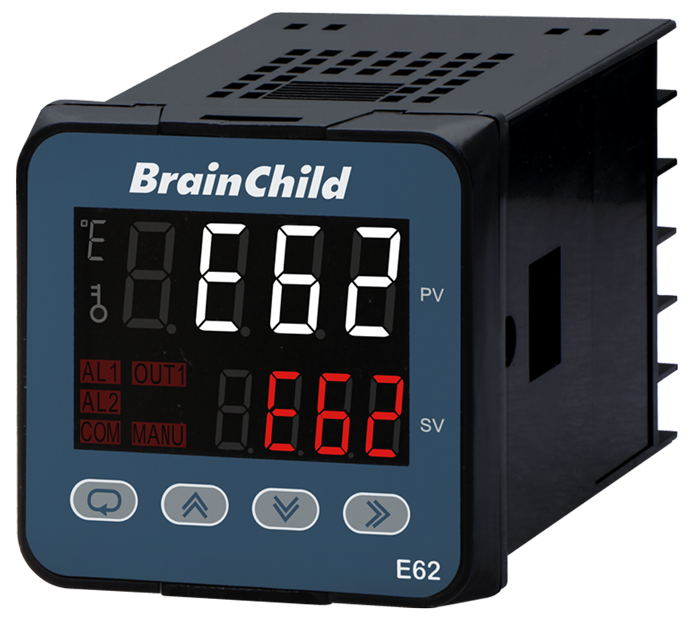
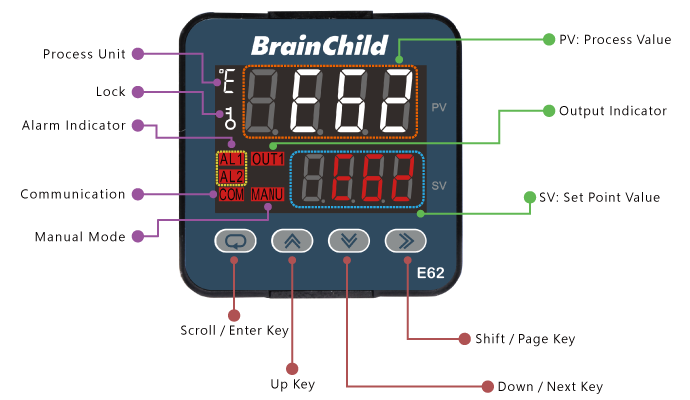
The E62 controller is designed with user efficiency in mind. Featuring a high-brightness dual-line LCD and a 4-key panel layout, the interface provides clear access to process values, setpoints, and status indicators. Its bidirectional menu navigation allows users to move quickly between settings, while the customizable user menu lets you define up to 8 frequently used parameters for instant access. Whether for setup, tuning, or real-time adjustments, the E62 streamlines every step with clarity and ease.

LCD Display Screen

Clear Dual-Line Readout for Instant Status Visibility  

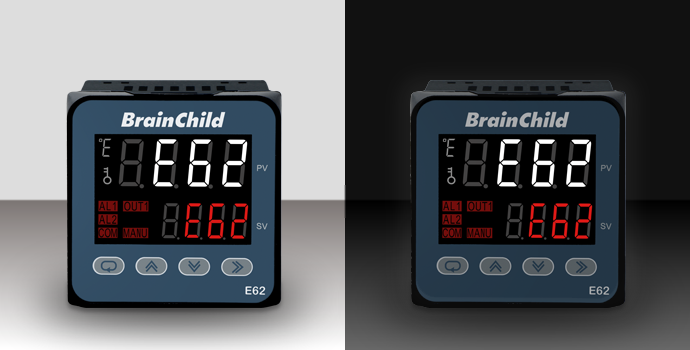
The E62 features a high-brightness dual-line LCD that clearly displays process value (PV) and setpoint (SV) in real time. This layout improves visibility during operation, even in low-light environments, and provides quick feedback for alarms, control status, and user navigation. Operators can easily monitor and adjust settings with confidence, reducing downtime and improving process efficiency. 
​Flexible Input Compatibility

Universal Sensor Support for Maximum Application Versatility

The E62 supports a wide range of industry-standard sensors, including thermocouples (Type J, K, T, R, S) and RTDs (PT100, DIN/JIS). This flexibility ensures seamless integration across diverse thermal processes, from basic heating systems to advanced industrial applications. Whether you're retrofitting legacy equipment or building a new system, the E62 adapts easily to your sensor requirements—no extra modules needed.


​Multiple Output Options to Match Your Control Needs

The E62 offers flexible output selections—including relay, SSR drive, linear current (4–20mA), and voltage (0–10V)—to suit various load types and system requirements. Whether you're driving heaters, actuators, or external controllers, the E62 delivers the signal you need for stable and accurate response.

Fuzzy PID Technology

Smarter Control with Less Overshoot and Faster Response  

Fuzzy logic is combined with traditional PID control to deliver smarter and more adaptive temperature regulation. Unlike standard PID controllers that require manual fine-tuning for each application, fuzzy PID dynamically adjusts control responses based on real-time process behavior. The result is faster stabilization, reduced overshoot, and improved resilience to disturbances—ideal for processes where precision and speed are critical.
Digital Communication

Seamless Integration via RS-485 Modbus RTU Protocol  

Supports RS-485 digital communication using the Modbus RTU protocol, allowing easy integration into multi-device systems such as SCADA, HMI, or PLC networks. Up to 32 devices can be linked on a single network, enabling centralized monitoring, remote control, and data logging. This ensures efficient system-wide communication and reduces wiring complexity in automation environments.

Applications

Specification

Power

Power supply

100-240 VAC, 47–63 Hz

Power consumption

8VA, 4W maximum

Signal Input

Type

Thermocouple(J,K,T,R,S), RTD(PT100(DIN)

Resolution

18 Bits

Sampling rate

5 Times / Second (200msec)

Maximum rating

-2VDC minimum, 12VDC maximum

Input characteristics

 Type

Range

Accuracy @ 25°C

Input Impedance

J

-120°C  to 1000°C (-184°F to 1,832°F)

±2°C

2.2 MΩ

K

-200°C to 1370°C (-328°F to 2498°F)

±2°C

2.2 MΩ

T

-250°C to 400°C (-418°F to 752°F)

±2°C

2.2 MΩ

R

0°C to 1767 .8°C (32°F to 3214°F)

±2°C

2.2 MΩ

S

0°C to 1767.8°C (32°F to 3214°F)

±2°C

2.2 MΩ

PT100 (DIN)

-200°C to 850°C (-328°F to 1562°F)

±0.4°C

1.3KΩ

PT100 (JIS)

-200°C to 600°C (-328°F to 1112°F)

±0.4°C

1.3KΩ

Temperature effect

1.5µV /°C for all inputs except mA input, 3.0µV /°C for mA

Sensor lead resistance effect

Thermocouple: 0.2 µV /Ω; 3-wire RTD: 2.6°C /Ω of Difference of Resistance of two leads 2-wire RTD: 2.6°C /Ω of Sum of Resistance of two leads

Burn-out current

200nA

Common mode rejection ratio(CMRR)

120 dB

Normal mode rejection ratio (NMRR)

55 dB

Sensor break detection

Sensor open for Thermocouple and RTD inputs, sensor short for RTD  input , below 1mA for 4-20mA input, below 0.25V for 1-5V input, not available for other inputs

Sensor break responding time

Within 4 seconds for Thermocouple and RTD inputs

Output

Type

Relay, Pulsed Voltage, Linear Voltage and Linear Current

Relay rating

2A,240V AC, 200000 Life Cycles for Resistive Load

SSRD

12V/30mA

Linear output resolution

15 Bits

Linear output regulation

0.02% for full load change

Linear output settling time

0.1 Second (Stable to 99.9%)

Isolation breakdown voltage

1000 V AC

Temperature effect

±0.01% of Span/ °C

Load capacity of linear output

Linear Current: 500Ω maximum, Linear Voltage: 10KΩ  minimum

Alarm

Relay type

Form A

Maximum rating

2A, 240V AC, 200000 Life Cycles for Resistive Load

Alarm functions

Deviation High, Deviation Low, Deviation Out-of-Band, Deviation In-Band, Process High, Process Low, None

Alarm mode

Latching, Hold, Normal, Latching/Hold

Data Communication

Interface

RS-485

Protocol

Modbus RTU (Slave Mode)

Address

1 to 247

Baudrate

2.8 KBPS to 115.2 KBPS

Parity bit

None, Even or Odd

Stop bit

1 or 2 Bits

Data  length

7 or 8 Bits

Communication buffer

150 Bytes

User Interface

Keypad

4 Keys

Display type

4 digit LCD display

No. of display

2

Upper display size

0.58”(15mm)

Lower display size

0.3”(7.8mm)

Control Mode

Output

Reverse (Heating) or Direct (Cooling) Action

ON-OFF

0.1 - 90.0 (°F) hysteresis control (P band = 0)

P or PD

0 - 100.0 % offset adjustment

PID

Fuzzy logic modified Proportional band 0.1 ~ 900.0°F, Integral time 0 – 3600 seconds, Derivative time 0 - 360.0 seconds

Cycle time

0.1 to 90.0 seconds

Manual control

Heat (MV1) and Cool (MV2)

Auto-tuning

Cold Start and Warm Start

Failure mode

Auto transfer to manual mode while sensor break or A-D Converter damage

Digital Filter

Function

First order

Time constant

0,0.2, 0.5, 1, 2, 5, 10, 20, 30, 60 seconds programmable

Environmental and Physical Specifications

Operating temperature

-10°C to 50°C

Storage temperature

-40°C to 60°C

Humidity

0 to 90 % RH (Non-Condensing)

Altitude

2000 Meters maximum

Pollution

Degree II

Insulation resistance

20MΩ minimum (@500V DC)

Dielectric strength

2000V AC,50/60 Hz for 1 Minute

Vibration resistance

10 to 55 Hz , 10m/s2 for 2 Hours

Shock resistance

200 m/s2 (20g)

Moldings

Flame retardant polycarbonate

Mounting

Panel

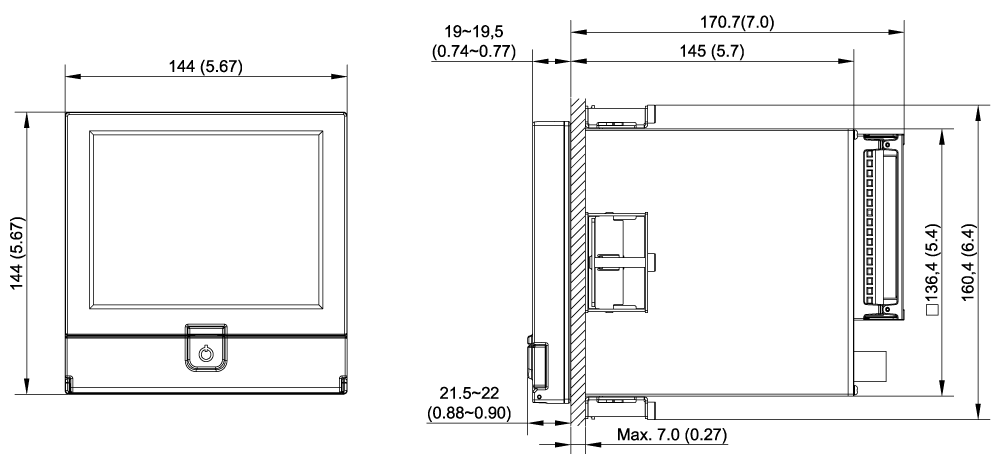
Dimensions (W*H*D) (mm)

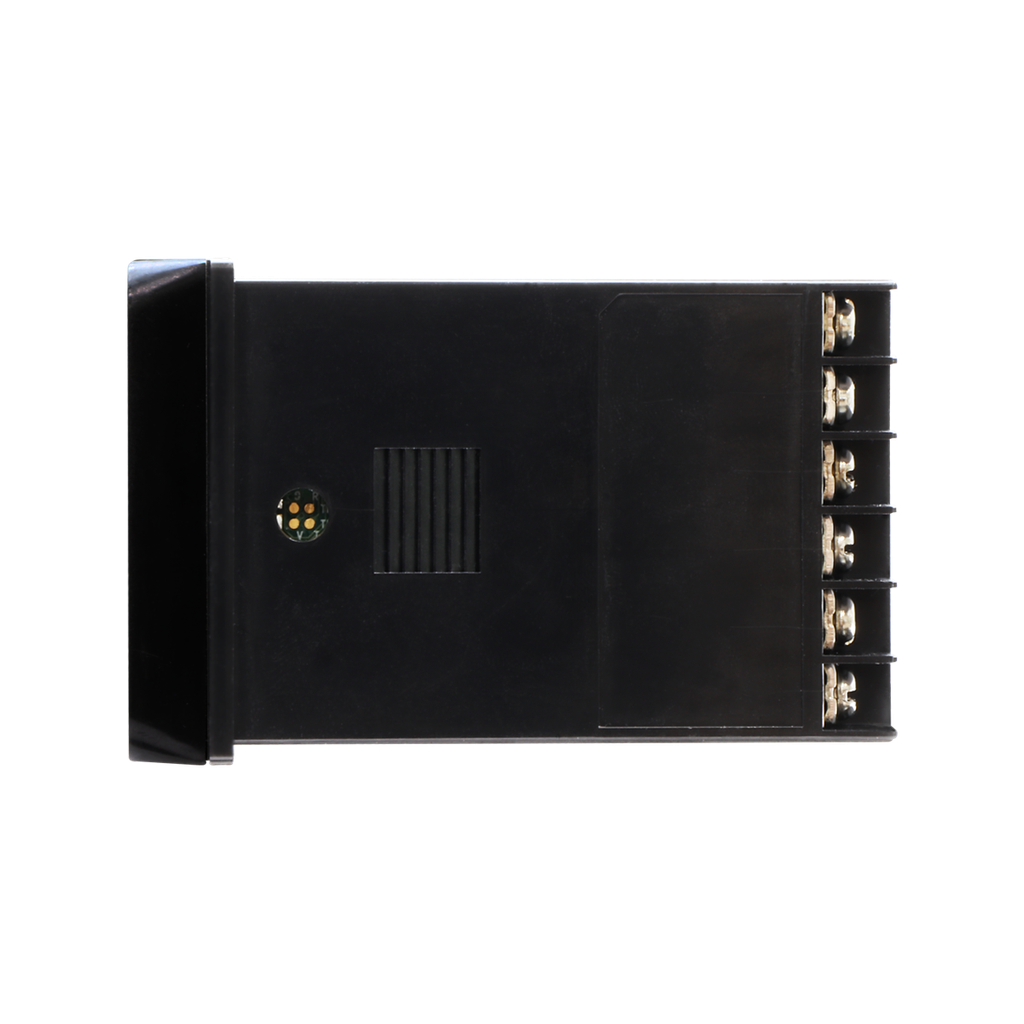
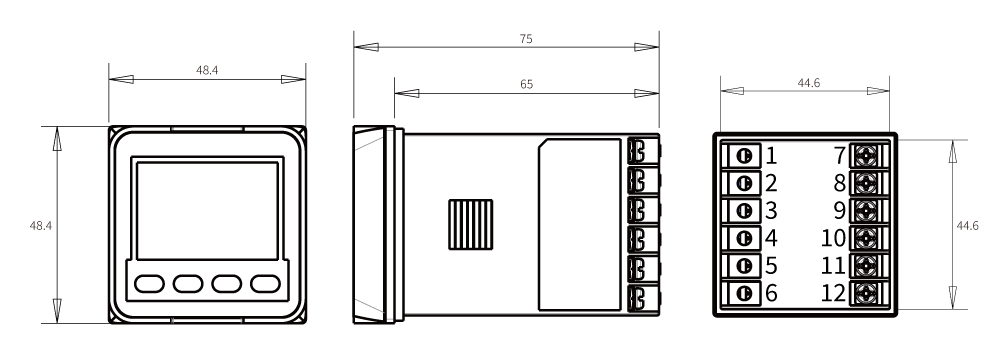
48*48*59

Depth behind panel (mm)

50

Cut out dimensions (mm)

45*45

Weight (grams)

98g

Approval Standards

Certificate

CE, RoHS, REACH, WEEE

Protective class

IP50 Rated Front Panel, IP20 Housing, Optional IP65 Front Panel/ Terminal Cover

EMC

EN1326-1


Download

Visit Download Center to See More Documents & Tools of This Product.     Visit

FAQ

What sensor types are supported by the E62 PID temperature controller?

The E62 supports a wide range of thermocouple types (J, K, T, R, S) and RTDs (PT100 DIN/JIS), making it suitable for various industrial temperature control applications.

Does the E62 support RS-485 communication with Modbus RTU protocol?

Yes, the E62 features RS-485 digital communication and supports Modbus RTU (slave mode), allowing integration with SCADA, PLC, or HMI systems.

Fuzzy PID combines traditional PID with fuzzy logic, enabling the E62 to automatically adapt to process changes. It reduces overshoot, speeds up stabilization, and improves overall control accuracy.

The E62 front panel is IP50 rated by default, with an optional upgrade to IP65 for enhanced dust and water resistance in harsh industrial environments.

The E62 offers up to two alarm outputs, supporting six alarm types such as deviation high/low, in-band/out-of-band, and process high/low. Alarm modes include normal, latching, holding, and latch + hold.
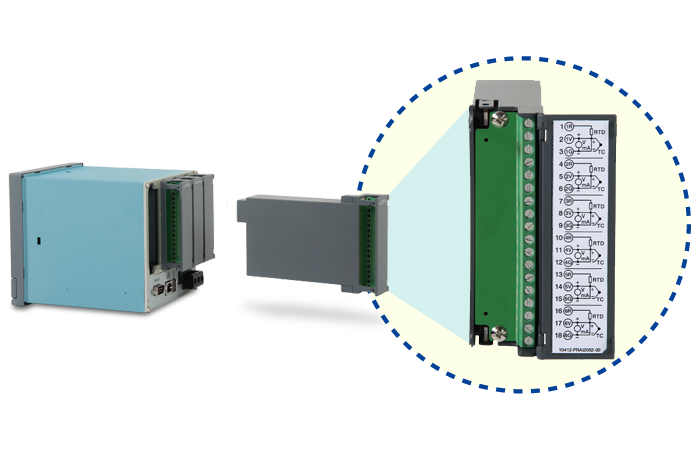
Ordering Code

Protected by reCAPTCHA, Privacy Policy & Terms of Service apply.

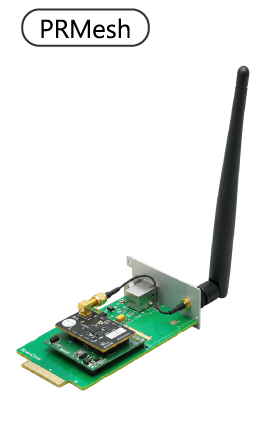
PRMesh

Wireless Expansion Module for PR Paperless Recorders

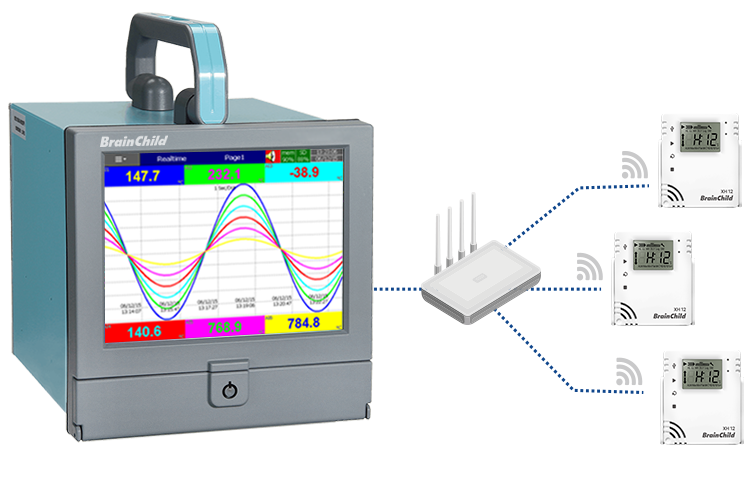
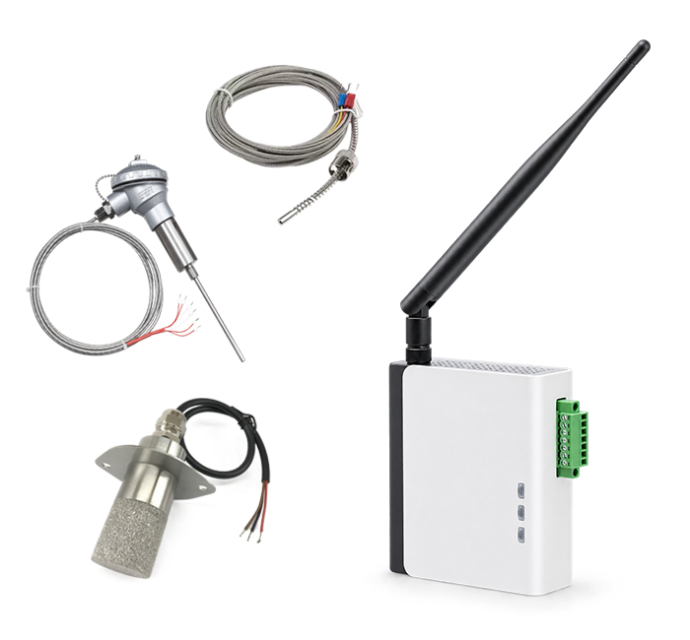
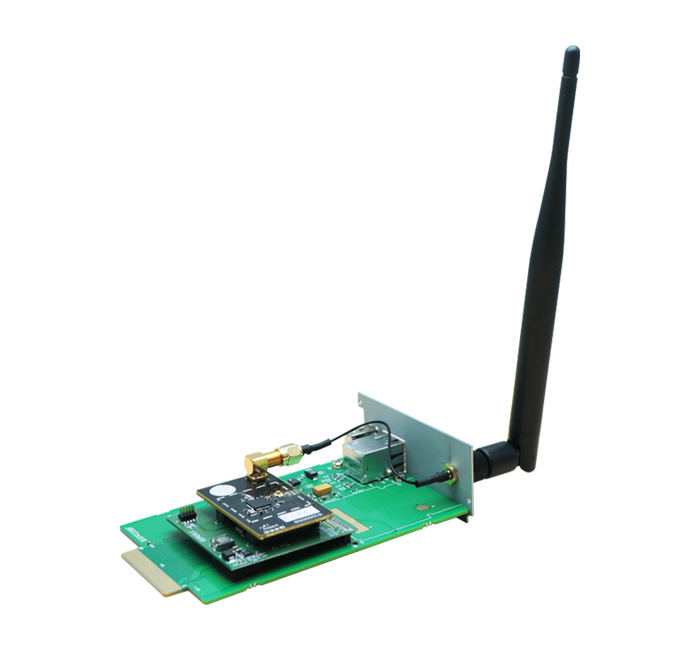
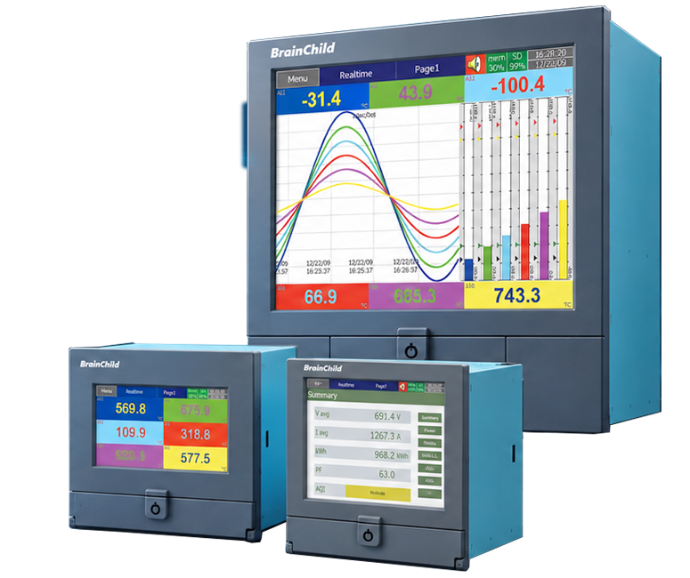
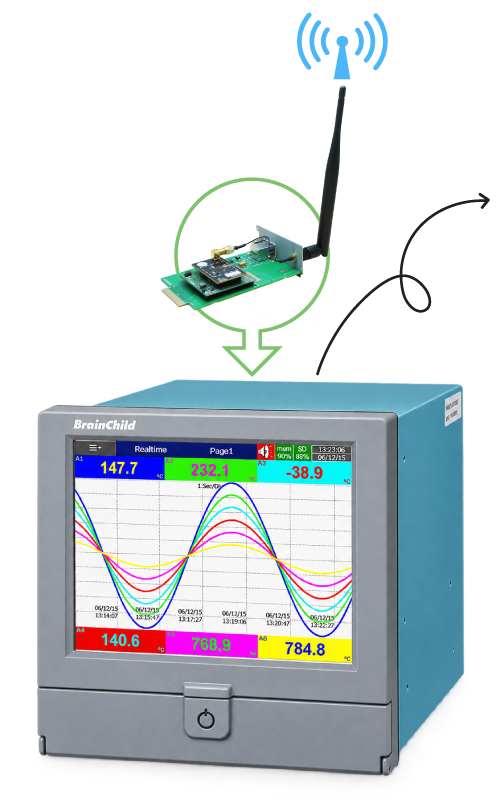
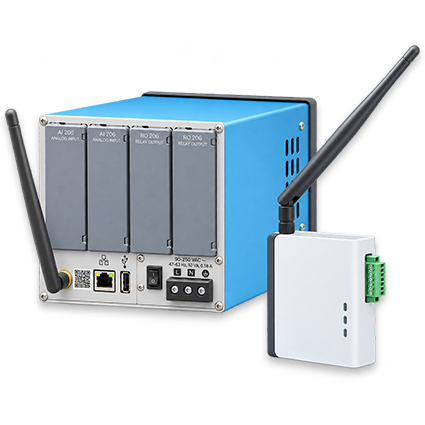
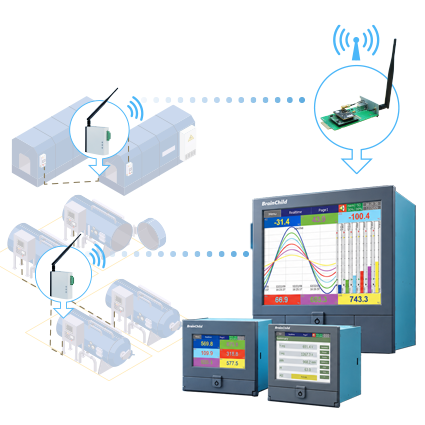
PR Mesh works with SenseNode wireless sensor nodes to extend the wireless measurement capabilities of existing PR Paperless Recorders.


Recording Interval

SenseNode Units

Analog Inputs

Wireless Range


0 Sec
0
0
0 m

Features


Wireless  Measurement Expansion

Extend the wireless measurement capabilities of existing PR Paperless Recorders with PR Mesh, without replacing the entire recording system.

Distributed Signal Acquisition

Deploy SensNode near measurement points to acquire up to two analog inputs per unit, reducing long-distance sensor wiring to the recorder.

BrainChild Mesh
Connectivity

Powered by BrainChild Mesh wireless technology, SensNode transmits field measurement data to PR Mesh, connecting distributed measurement points with the PR recorder.

Seamless PR Integration

Installed inside a compatible PR recorder, PR Mesh integrates wireless measurement data into the existing system while preserving its familiar interface and operation.

Centralized Monitoring & Recording

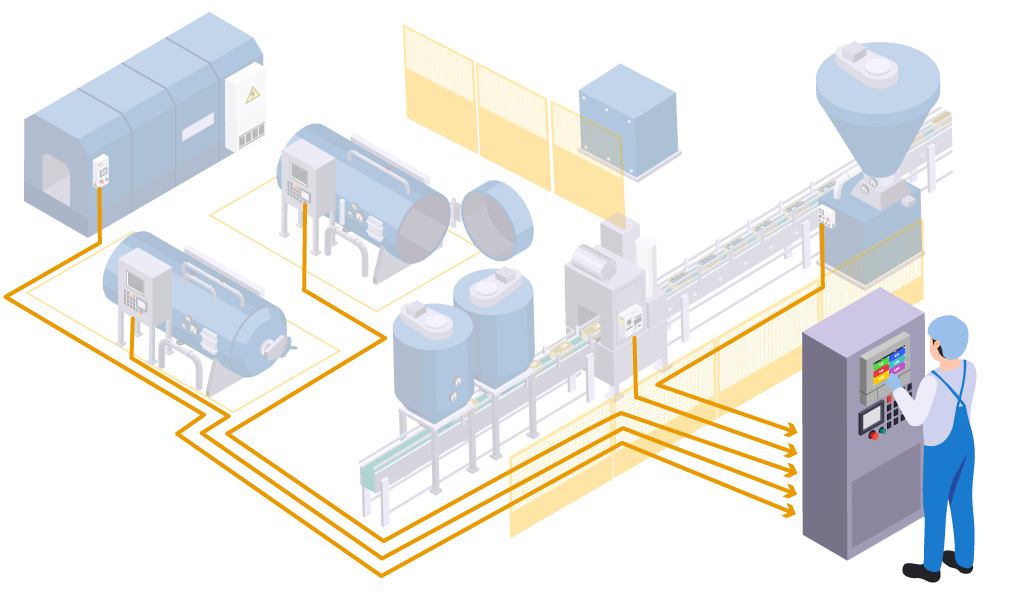
Consolidate measurement data from distributed points in the PR recorder, retaining real-time displays, trend monitoring, alarm management, and historical data logging.

Scalable Monitoring Expansion
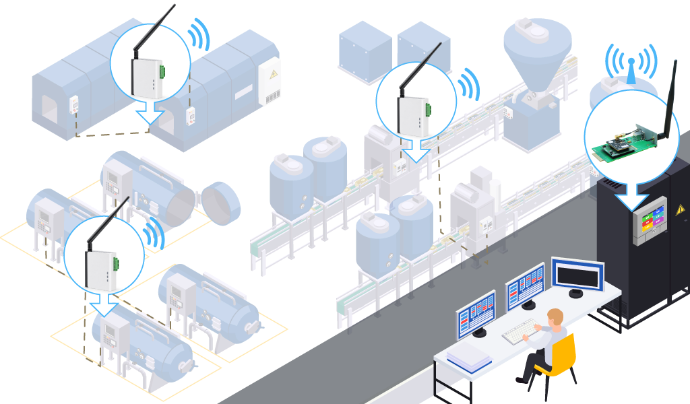
Add SensNode units as monitoring needs grow, extending measurement coverage while reducing wiring and installation work when expanding existing systems.


​  

How it work

Extend Your PR with Flexible Wireless Measurement


➊ Field Signal Acquisition 

SenseNode acquires sensor signals near measurement points and wirelessly transmits the data using BrainChild Mesh technology.

➋ Wireless Data Reception & Integration

PR Mesh receives measurement data from SenseNode and integrates it into the existing PR recording system.

➌ Centralized Monitoring & Data Logging

The PR recorder provides centralized access to real-time measurements, historical trends, alarm information, and data logging.
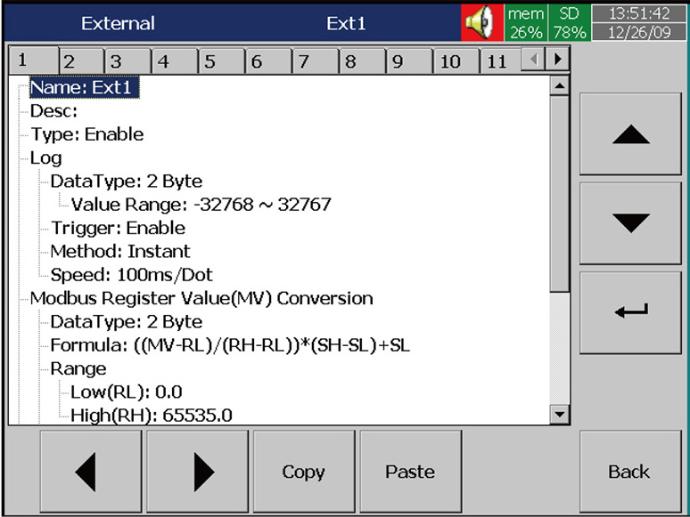
*Requires External Channel functionality (Plus 1 or Plus 3 firmware).  

BrainChild Mesh Wireless Technology

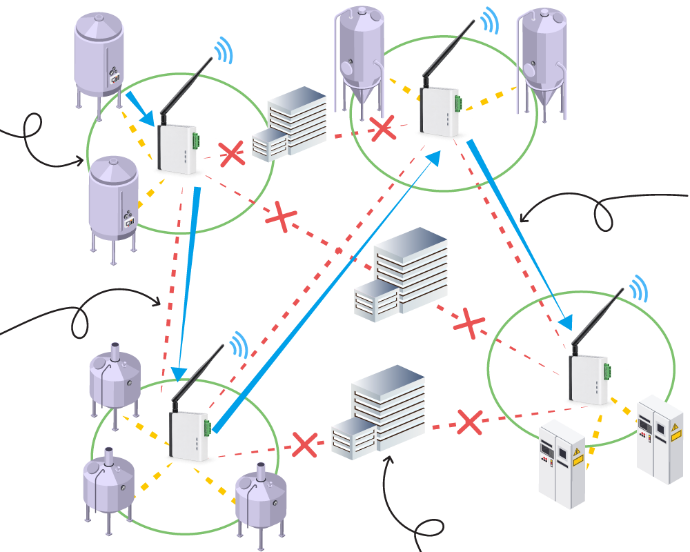
​ Mesh Networking
Connects SenseNode units in a mesh topology, enabling flexible communication paths.

​Multi-Hop Transmission
Extends wireless coverage through node-to-node data relaying, reducing deployment limitations caused by distance and physical obstacles.

Automatic Rerouting

Automatically reroutes data through available nodes when a communication path is disrupted, enhancing network reliability.


Data Integration

Measurement data from SenseNode units is transmitted through the mesh network to PR Mesh and integrated into the PR Paperless Recorder for centralized monitoring, alarms, and data logging.
(PRMesh Installed Inside PR)


Obstacle


Technology

  • Frequency Band
  • Typical Transmission Range
  • Network Topology

  • Power Consumption
  • Data Rate

  • Latency Typical Applications


LoRa

  • Sub-GHz
  • 5–15 km
  • Point-to-point or basic radio links
  • Very low
  • Low
    (0.3–50 kbps)
  •   Low
    (milliseconds to low hundreds of milliseconds)


​  

From Wired to Wireless

Traditional Wired Monitoring


Traditional wired monitoring systems require sensor signals to be connected directly to centralized recording equipment. When measurement points are widely distributed, located far from the recorder, or added to existing production lines, additional wiring and installation work can make system expansion and maintenance more complex.

PRMesh Wireless Monitoring


With PR Mesh and SenseNode, sensor signals are acquired locally and transmitted wirelessly via BrainChild Mesh technology to an existing PR Paperless Recorder, reducing long-distance wiring, enabling flexible measurement expansion, and extending equipment value without replacing the recording system.


Traditional Wired Monitoring

  • Long-distance sensor wiring
  • Limited by wiring routes
  • May require additional wiring and installation
  • Operates with existing input and wiring configurations
  • Centralized monitoring and data logging through PR

PRMesh Wireless Monitoring

  • Wireless transmission via SenseNode
  • Flexible deployment based on site requirements
  • Gradual expansion by adding SenseNode units
  • Extends wireless measurement capabilities of compatible PR recorders
  • Retains existing PR monitoring and data logging functions

Two Key Components


​


​Installed inside the PR Paperless Recorder, PR Mesh receives wireless measurement data from SenseNode and integrates it into the existing PR monitoring and recording system through External Channels.

 PR10/20/30 Compatibility
Up to 6 SenseNode Units
 Up to 12 Wireless Analog Inputs
1-Second Recording Interval
PR System Integratio


​
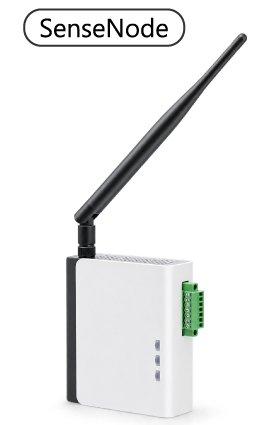
Deployed near sensors or equipment, SenseNode acquires analog signals and transmits measurement data wirelessly to PR Mesh using BrainChild Mesh technology.

 2 Universal Analog Inputs
 Built-in Temperature & Humidity Sensor
 1-Second Data Transmission
 Three-Color LED Indicators
 PR & DR System Compatibility

Compatibility & Expansion


​Compatible PR Models
Plus 1 / Plus 3

Extends the wireless measurement capabilities of compatible PR Recorders.

 
​Firmware Requirements
Plus 1 / Plus 3

Integrates wireless measurement data into PR via External Channel functionality.


Easy Setup & Pairing


Step.01
Hardware Installation

Install PR Mesh in the PR recorder and connect the antenna, sensors, and power supply to SenseNode.

Step.02
PR Configuration

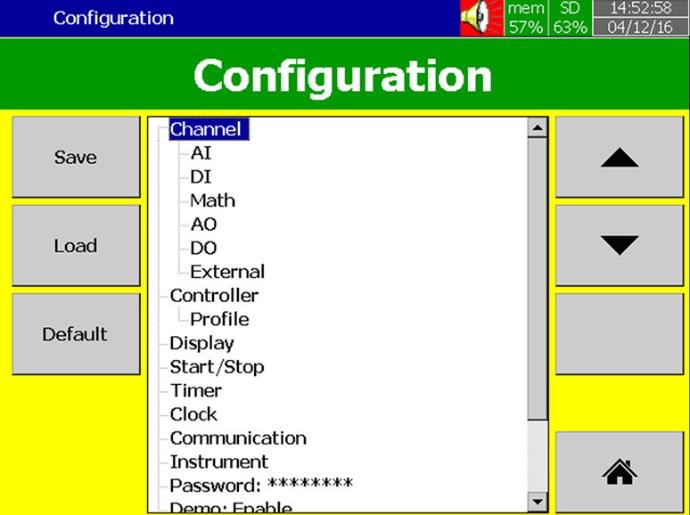
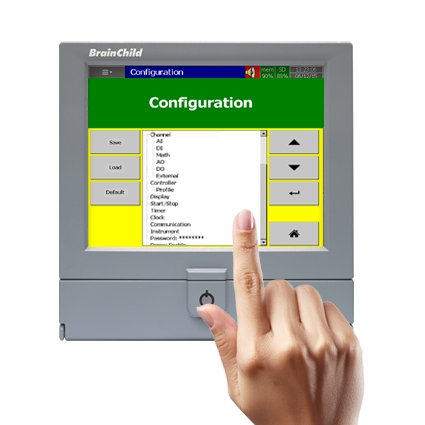
Configure communication, commands, and External Channels on the PR recorder to integrate SenseNode measurement data.

Step.03
Device Pairing & Connection

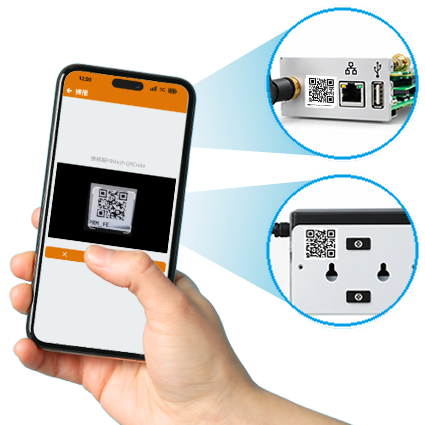
Use the Deploy app to scan the QR codes on PR Mesh and SenseNode, then complete device pairing and connection setup.

Step.04
Deploy & Monitor

Deploy paired SenseNode units at measurement points for real-time monitoring and data logging through the PR recorder.


Applications

Specification

Product position

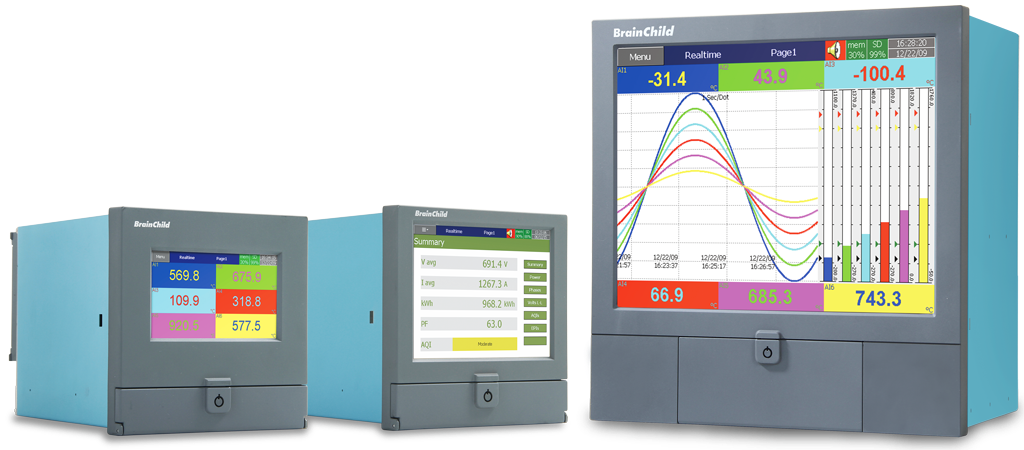
Big size and high-end one, good for sophisticated applications, for example power industry

Input numbers

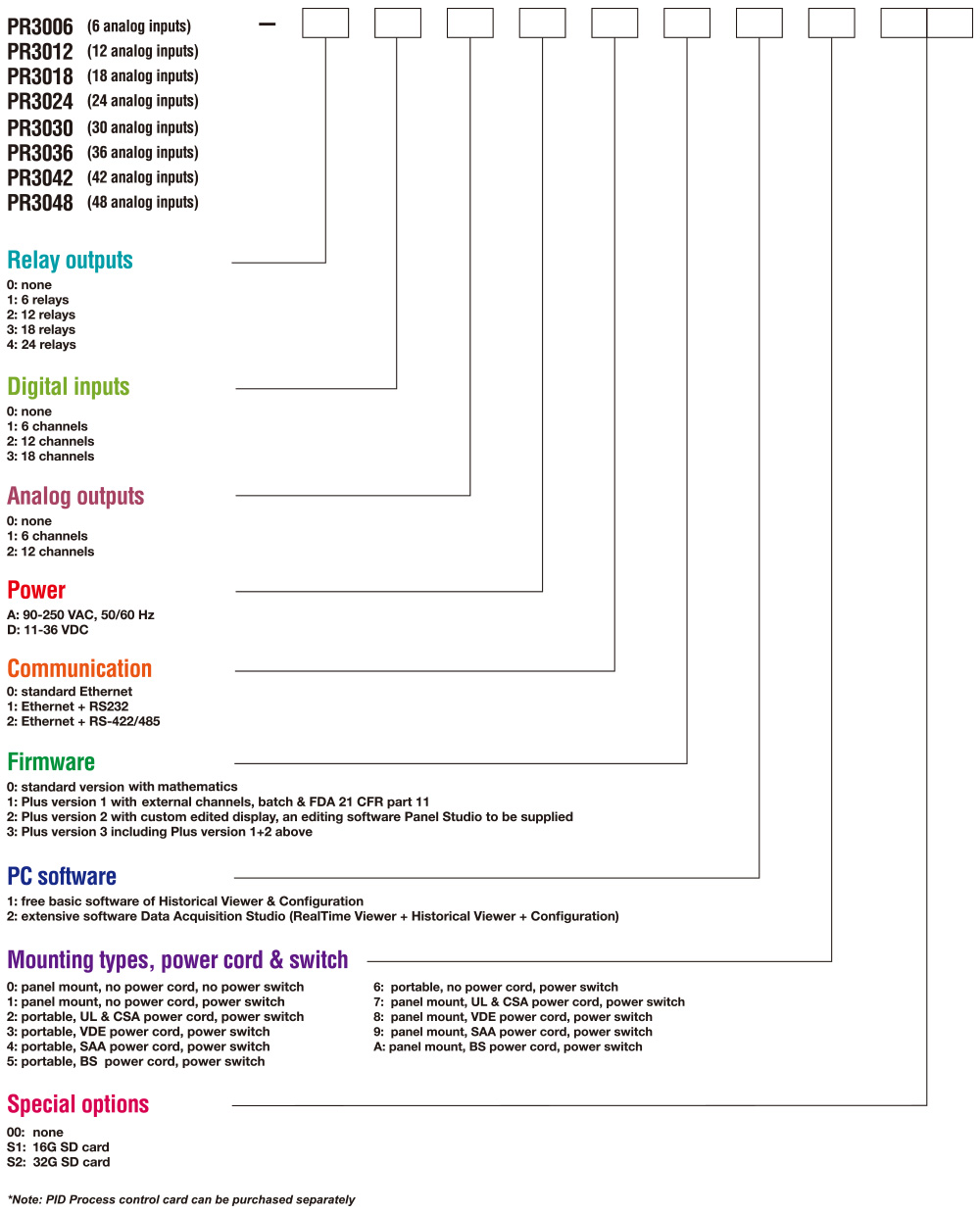
6, 12, 18, 24, 30, 36, 42, 48 channels

True universal inputs

Thermocouples: J, K, T, E, B, R, S, N, L, U, P, W5, W3, LR, A1, A2, A3, M
RTD: Pt50, Pt100, Pt200, Pt500, Pt1000 (α=0.00385), Pt50, Pt100 (α=0.00391), Ni100, Ni200, Ni500,JPt50, JPt100, JPt200, JPt500, JPt1000 (α=0.003916) Ni1000 (α=0.00617) mA, V, mV

The fastest sampling rate

o reach 100 msec / dot, default setting at 1 sec / dot

Math, External channels, Batch,
Custom display, FDA 21 CFR part 11

Math in standard version, others in Plus versions

Display

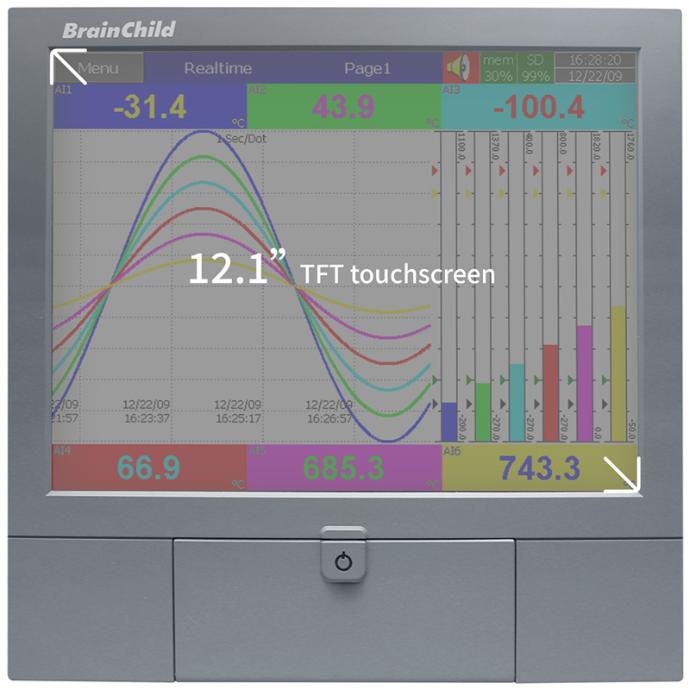
12.1" TFT touch screen

Resolution

1024 x 768

MTBF backlight at 25°C

30,000 hrs

Backlight

LED

Screen saver, Email

Yes

A faster CPU

ARM Cortex-A8, 1Ghz

Internal flash memory

256 MB

RAM

256 MB

Ethernet

Modbus TCP/IP

RS-232/422/485

Optional RS-232 or RS-422/485 Modbus RTU

SD card slot, USB host x 2

Standard, one USB in the front, another USB in the back

Pulse input

Optional DI card offering either logic or high frequency pulse counter

START / STOP key

To start / stop record and to turn off the display only, not recorder itself so that a quick start possible

Calibration correction

On-site calibration possible, or using handy features of Offset and Gain for correction

Multilingual

Convenient for local users by offering 19 languages including English, Japanese,Danish, Italian, Polish, Russian, Dutch, Korean, Thai, Turkish, Portuguese, Chinese(simplied, traditional), French, German, Spanish, Swedish, Brazil Portuguese, Czech, other languages negotiable

PC software Historical Viewer+ Configuration

Standard

Extensive software Data Acquisition Studio

Optional real-time monitoring

Power supply

90-250VAC or 11-36VDC

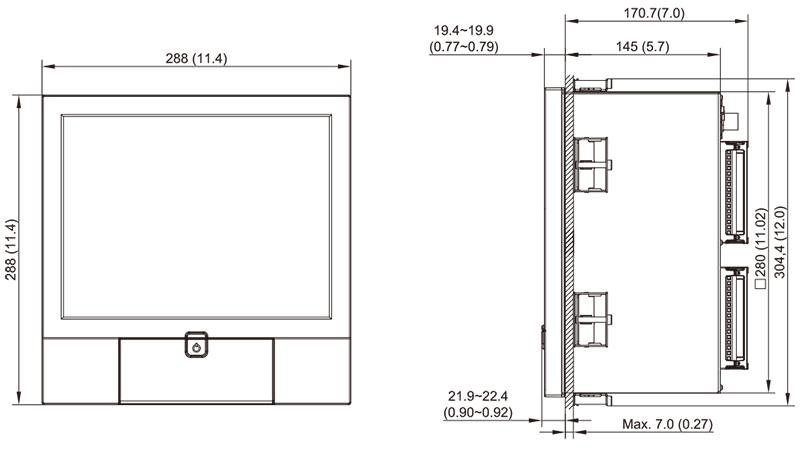
Outer dimensions (W x H x L mm)

288 x 288 x 189

Shorter mounting depth (mm)

171

DIN panel cutout (W x H mm)

 281 x 281

Protection

IP65 front, IP20 rear

Operating temperature

0°C to 50°C

Storage temperature

-30°C to 70°C

Safety standards

RoHS

Download

Visit Download Center to See More Documents & Tools of This Product.     Visit

FAQ

Ordering Code

將其替換為您自己的 HTML 代碼